Schedule a Driving Lesson for Parallel Parking
Comprehensive Driving Lessons: Enroll in Our Expert-Led Driving Class Today!
Structured driving lessons provide a systematic approach to developing vehicle control skills. Signing up for a professionally guided course can greatly enhance a student's abilities and self-assurance. The program is meticulously planned to address fundamental and complex driving methods, accommodating different skill levels. Being aware of what these lessons entail can prove tremendously beneficial. There are multiple essential factors that support successful skill development and test readiness.
What Happens During Your First Driving Class
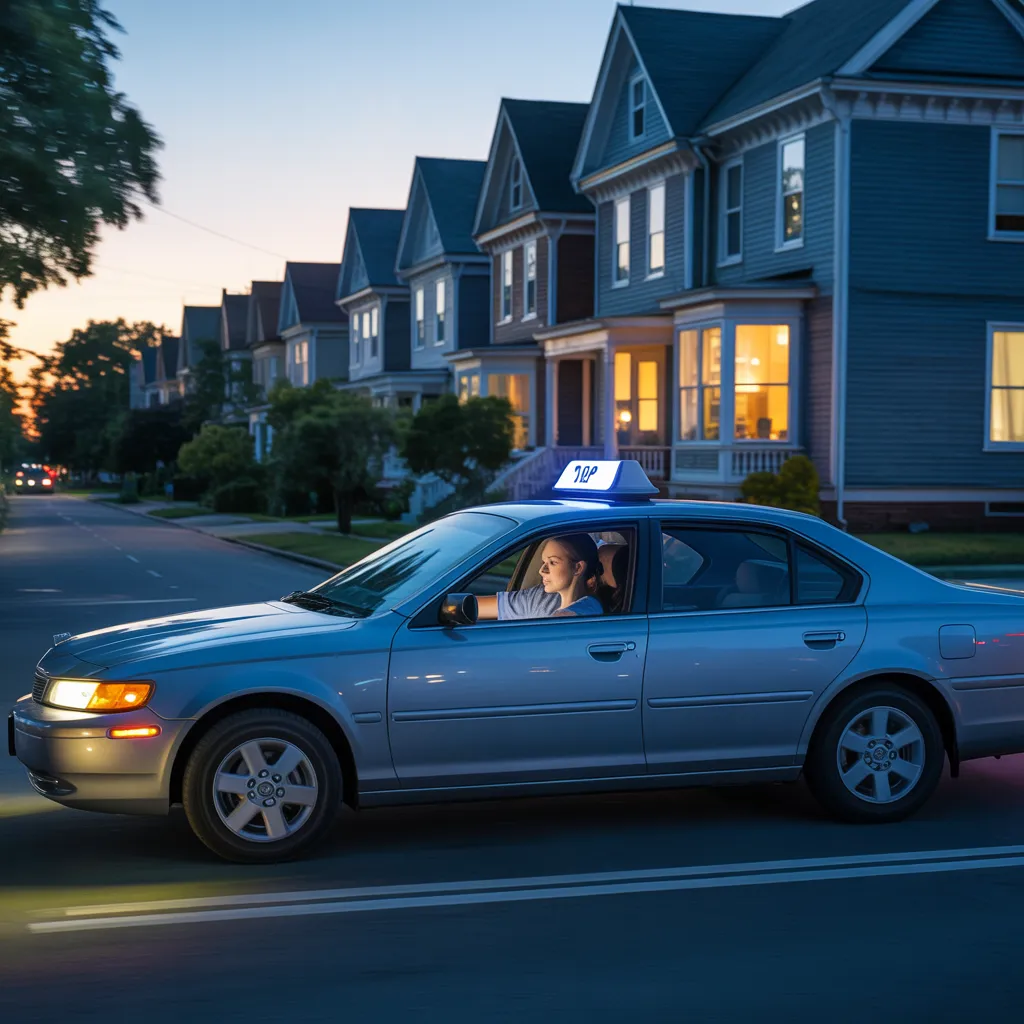
The moment a student begins their initial driving class, they may feel a mix of anticipation and nervousness. The classroom environment, often filled with fellow learners, creates the foundation for a significant experience. Teachers typically open with introductions, detailing the program framework and safety protocols. Students can anticipate receiving learning resources, including guides and reference sheets, which will function as valuable references throughout their learning journey.
The primary emphasis is largely on understanding car controls, fundamental road signs, and fundamental traffic laws. Instructors may also emphasize the importance of maintaining a calm demeanor at the wheel. Pupils are prompted to ask queries, building an encouraging educational setting. After the theoretical portion, many classes include hands-on practice, where learners get acquainted with the vehicle in a controlled setting. This integration of theoretical and practical training equips students for their driving journey, fostering self-confidence as they embark on the road to becoming competent and safety-conscious drivers.
Driving Program: Essentials to Advanced
A comprehensive driver education program encompasses a progression from foundational techniques to higher-level skills, making sure that drivers establish a robust base before tackling more challenging driving situations. At first, new drivers concentrate on essential vehicle control, including wheel control, brake control, and acceleration. Students gain knowledge of essential road regulations, street signs, and responsible driving habits, providing a complete grasp of the rules of the road.
When students exhibit competence in these fundamental skills, the training evolves to more complex abilities. This covers traversing various terrains, navigating harsh weather scenarios, and mastering defensive driving techniques. Moreover, participants are exposed to high-speed roadways and complicated intersections, improving their capacity to think swiftly when faced with difficult conditions.
Within the program, teachers highlight the importance of situational awareness and accountable driving conduct. This structured approach equips students not only to pass their driving tests but also to become confident and competent drivers in a range of driving situations.
Building Confidence as a New Driver
New drivers often face challenges in building their confidence behind the wheel. The initial experience of driving can be overwhelming, with numerous tasks to manage and a constant need for focus. To alleviate anxiety, new drivers can benefit from practical, gradual exposure to various driving situations. Beginning in quieter, less congested areas enables them to build fundamental abilities without the demands of more challenging settings.
Regular practice is essential; spending more time behind the wheel helps new drivers grow more at ease with their car and environment. Moreover, participating in professionally guided driving lessons delivers structured instruction and knowledgeable support, nurturing a sense of reassurance. Encouragement from qualified instructors and encouraging fellow learners can further boost a beginner driver's confidence. As abilities develop with time, novice drivers will discover that their assurance increases, turning driving from a demanding activity into a more rewarding and freeing endeavor.
Preparing for Your Driving Test
How should a new driver go about preparing for their driving test? Being well-prepared is key to passing. As a starting point, becoming familiar with the vehicle is highly recommended. New drivers must ensure they are comfortable operating all vehicle controls, such as lights, wipers, and signals. Furthermore, working on maneuvers including parallel parking, three-point turns, and lane changes will strengthen their driving skills.
Furthermore, going over the local traffic laws and rules can offer useful information into what to expect from the examiner. Scheduling a mock test with an experienced instructor can replicate the real test conditions, which can help ease nerves.
Ultimately, ensuring all essential documents are in order, such as the learner's permit and ID, is vital. By following these steps, new drivers can approach their driving test with self-assurance, boosting their probability of clearing the test on their first go.
Popular Questions About Driving Lessons
What should prospective drivers know before starting lessons? A great number of individuals have frequent inquiries concerning the driving lesson process. First, they often wonder about the age requirements; most regions mandate that students be at least 16 years old to obtain a learner's permit. Another frequent inquiry concerns the duration of lessons; as a rule, each session is around one to two hours long, varying according to the student's skills and individual needs.
Future drivers commonly inquire about the expenses related to lessons. Costs can differ significantly based on location and instructor experience. Furthermore, many ask whether they should bring their own vehicle; most driving schools provide cars featuring dual control mechanisms for added safety.
Lastly, students often inquire about the course content. Thorough lessons generally address core driving abilities, road regulations, and safety guidelines, ensuring that learners are well-prepared for both their driving test and real-world driving situations.
Why Choosing Expert-Led Driving Lessons Is a Smart Decision?
Why choose expert-led driving lessons over casual instruction? The answer lies in the quality and effectiveness of the training provided. Professional instructors have in-depth knowledge of driving methods, traffic regulations, and safety procedures, guaranteeing that students receive a complete and well-rounded education. They employ a structured curriculum that builds skills progressively, enabling learners to more effectively comprehend difficult driving concepts.
Moreover, lessons led by experts commonly feature real-life circumstances, enabling students to handle various driving conditions with confidence. Teachers can offer tailored guidance and adjustments, which are highly important for cultivating proper driving behaviors. Beyond that, their experience permits them to customize instruction to specific learning needs, improving skill mastery and information retention.
In addition, professional instructors routinely remain informed about up-to-date guidelines and innovations in driving education, guaranteeing that their instruction aligns with contemporary standards. This level of dedication makes professionally guided driving lessons an excellent option for people seeking to master safe and effective driving skills.

Questions Our Customers Often Ask
What Age Can I Start Taking Driving Lessons?
Commonly, individuals can begin taking driving lessons at the age of 16, while some locations allow learners to begin as early as 15. It's Driving Lesson crucial to review area-specific guidelines regarding minimum age criteria for driving tuition.
Do You Offer Driving Lessons on Weekends?
Driving instruction is frequently available on weekends, suiting a variety of scheduling needs. Most driving schools are aware of the growing demand for weekend instruction, providing students with the opportunity to learn at their own pace without clashing with weekday duties or responsibilities.
Is It Possible to Use My Own Vehicle for Driving Lessons?
Pupils may typically use their own cars for learning to drive, so long as the vehicle fulfills safety criteria and is in proper working order. Driving instructors often encourage this to ensure familiarity and comfort during the learning process.
What Should I Do if I Miss a Class?
If a student misses a class, they might need to arrange a makeup lesson or reschedule. Attendance requirements differ, so it's advisable for the student to check with the instructor regarding any potential penalties or options.
Are Lessons Available for Both Automatic and Manual Cars?
Absolutely, the program offers classes for both manual and automatic cars. Learners can opt for their favorite transmission type, ensuring they get personalized instruction that meets their individual driving preferences and needs for learning.